
3 posts tagged with "xeokit"

Xeokit tag description

View All Tags

Hamburg's Digital Urban Planning Revolution with open source xeokit 3D Viewer

· 6 min read
Marta Stolarz
Project Manager @ Creoox

Hamburg, one of Europe's leading metropolises, has positioned itself at the forefront of digital urban planning through its participation in the "Connected Urban Twins" (CUT) project — a collaboration with Leipzig and Munich aimed at developing cutting-edge urban data platforms and digital twins between 2021 and 2025.

By taking part in the Connected Urban Twins project, Hamburg is not only shaping its own digital future but also actively contributing to Germany's broader digital transformation. Together with other cities, the city is building scalable solutions that can be replicated nationwide, ensuring that innovations in BIM and digital planning benefit municipalities of all sizes. The map below illustrates the growing Geoportal Community, highlighting Hamburg's role as a central contributor to this nationwide initiative.
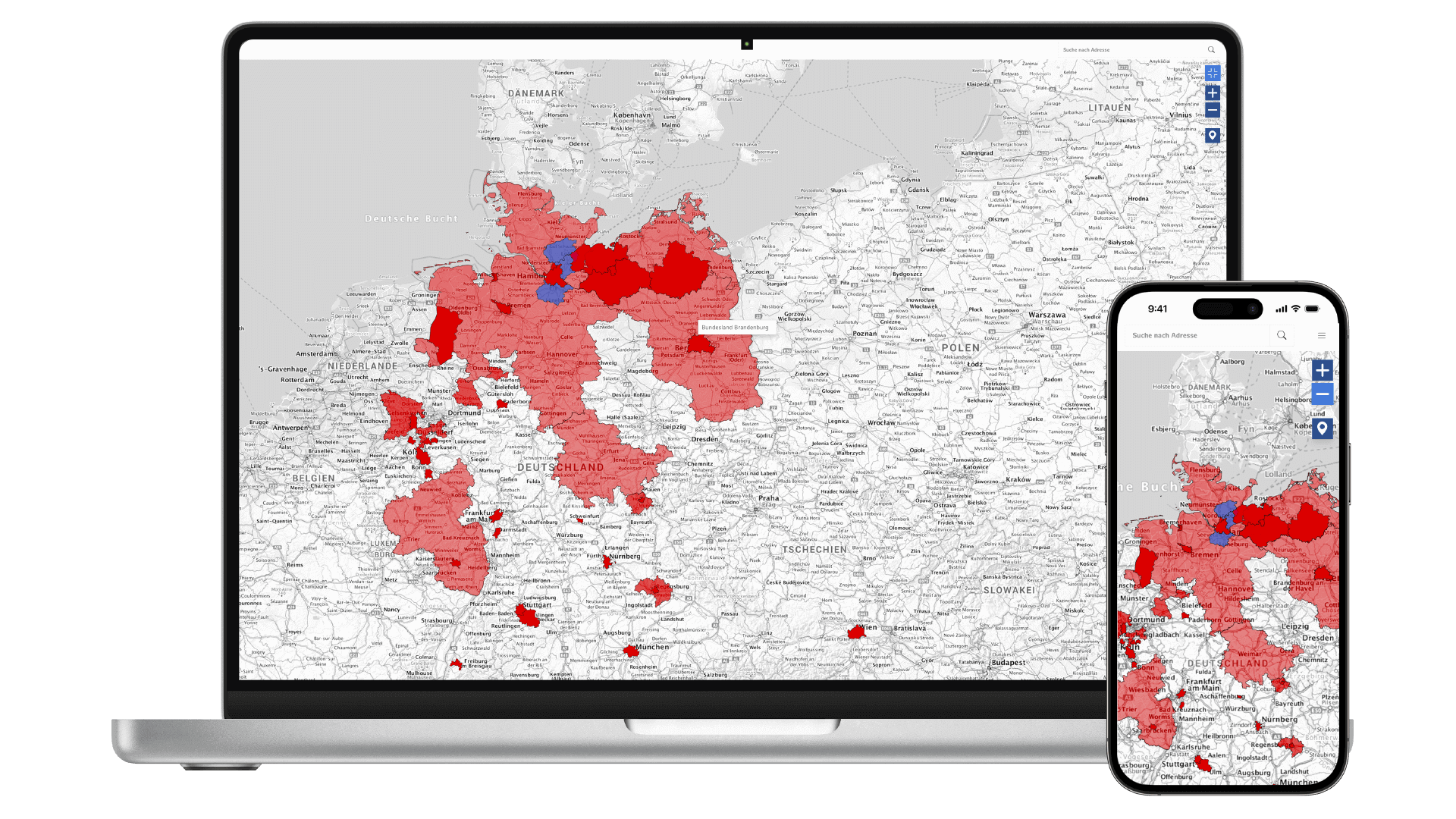
Geoportal Community map showing Hamburg's role in the nationwide digital planning initiative

Source: https://www.masterportal.org/

As part of this transformation, Hamburg adopted an open-source 3D viewer based on the xeokit SDK. While not the core of the initiative, xeokit significantly adds value by supporting the integration of BIM technologies and providing modern digital tools that streamline planning processes and improve the coordination of events in the city.

Supporting this transformation, xeokit follows its mission of making BIM adoption easier by providing open, web technologies for advanced 3D visualization.

How Zurich Enables Digital Civic Participation through a 3D BIM Viewer

· 5 min read
Marta Stolarz
Project Manager @ Creoox

A case study of a xeokit SDK-based solution for urban planning transparency

Introduction & Context

The City of Zurich, one of Europe’s most forward-thinking urban centers, is renowned for its progressive public services and commitment to sustainability. In 2024, the Tiefbauamt (Civil Engineering Office) took a major step toward modernizing how it communicates with citizens about major infrastructure projects. For the first time, as part of the official Planauflage (public consultation) procedure, the city provided an interactive 3D BIM model alongside traditional planning documents.

The pilot project, Projektauflage 21046 Badenerstrasse, marked a turning point. By publishing a 3D BIM model accessible directly in a web browser, Zurich allowed residents to explore the project from any angle, compare existing and planned states, and fully grasp the changes in context. This innovation was not only about technology - it was also about building trust, empowering participation, and supporting the city’s broader “Digitale Stadt” strategy and its long-term vision of a digital twin of Zurich.

Revolutionizing BIM Visualization Through High-Performance xeokit SDK Implementation in BEXEL Manager

· 6 min read
Marta Stolarz
Project Manager @ Creoox

Introduction & Context

In the era of digital transformation within the construction industry, effective 3D visualization has become a cornerstone of successful BIM projects. BEXEL Manager, as a premium BIM solution, sought to expand its capabilities with a high-performance web viewer that can seamlessly integrate with its powerful 4D and 5D BIM modules while complementing its established desktop environment.

To achieve this, the BEXEL team selected xeokit SDK – an open‑source web 3D graphics toolkit, purpose‑built for the AEC (Architecture, Engineering, Construction) industry and BIM. This strategic decision empowered BEXEL’s developers to deliver a lightweight yet highly capable web viewer, enabling smooth visualization of complex, federated AEC models with excellent performance and precision.

The implementation of xeokit in BEXEL Manager not only resolved technical challenges but also unlocked new possibilities for the platform's intelligent construction planning engine, facilitating more sophisticated 4D/5D BIM analyses and real-time progress monitoring. The outcome is a significantly enhanced user experience in the BEXEL Viewer module and the capability to handle larger, more complex BIM projects within cloud environments.